Operationalizing Superintelligence

Free your best people for the hard calls and the customers who need them.

Find the manual process costing your team the most time or margin, and replace it with working software built around how your people already work. AI reads the messy inputs. Your systems and your people keep the decisions.

What we do

We start where the work is most manual

It starts with the people doing the work. We sit with them, find the process that costs the most, and build a tool around it. It runs on your systems and proves itself in daily use before you commit to more.

A good fit if you're early in your use of AI, or want to speed up a digital transformation already under way.

Our work

Manual work, and what replaced it

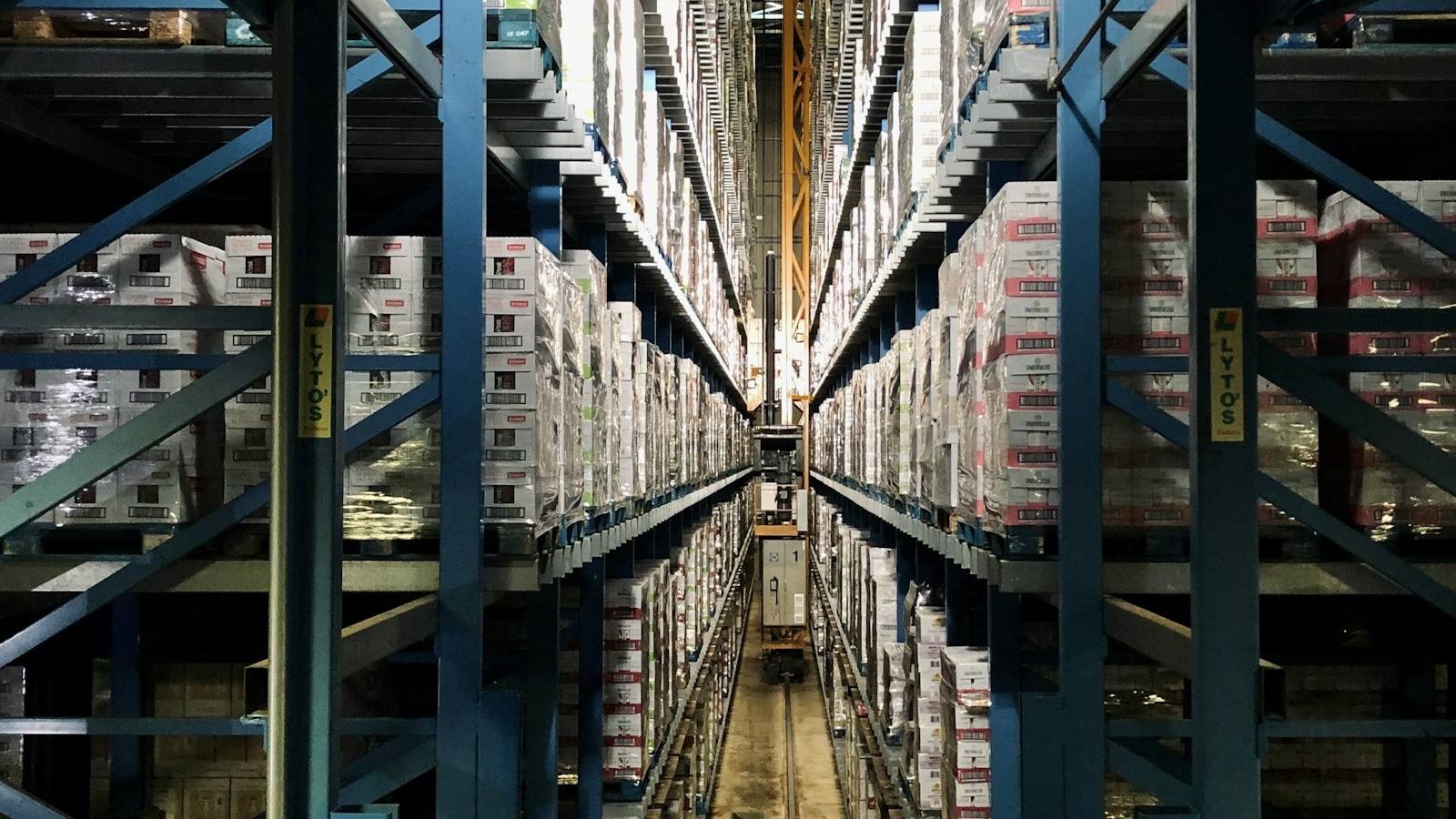
Tall warehouse shelving receding down an aisle

$800M+ industrial distributor

One distributor. Five desks of manual work, rebuilt one by one.

Five teams each got a tool built around how they already work, all running on the distributor's own server. AI handles the messy inputs, and people still set every price.

Vendor price files

Every vendor's price changes, in every format, landed on the right part

The problem

Vendors send price updates as spreadsheets, portal exports and PDFs, each laid out differently. Before any cost could change, the pricing desk had to find the part behind every line, catch unit and pack differences, and decide which increases were normal.

The solution

A desk tool reads each vendor's file, matches every line to the catalog, converts units and pack sizes, and flags any change larger than the threshold the desk sets.

Customer sourcing requests

Requests full of loose descriptions, answered with the right part and cost

The problem

Customer requests arrive as lists of loose descriptions and mixed part numbers. Every line had to be identified, matched to a vendor and priced from current cost before the team could reply.

The solution

Drop a request in, and the tool pulls out part numbers and vendor codes, rates each match by confidence, pulls current cost from the ERP, flags codes that look wrong, and writes the questions to send back to the customer.

Utility blanket pricing

A major utility's blanket prices, kept current all year without one fragile workbook

The problem

A major utility customer's blanket price agreements update on a four-to-six-week cycle all year, driven by supplier calendars. One master workbook was the only current record of those prices.

The solution

The tool builds the vendor sheets and the utility's own template for each blanket, and sends only the lines that changed.

Expediting

Every project's dates in one place, instead of one spreadsheet per project

The problem

Each project was tracked by hand in its own Excel sheet, so nobody could see the whole picture across the team.

The solution

One shared tracker for every project's promised and last-confirmed dates, with a history of every change.

Project quotes

Quote requests split by vendor and sent from templates, instead of by hand

The problem

For each project, the team split the materials list by vendor and wrote and sent every request for quote by hand.

The solution

The tool splits each project's list by vendor and sends every request for quote from a template.
More client work

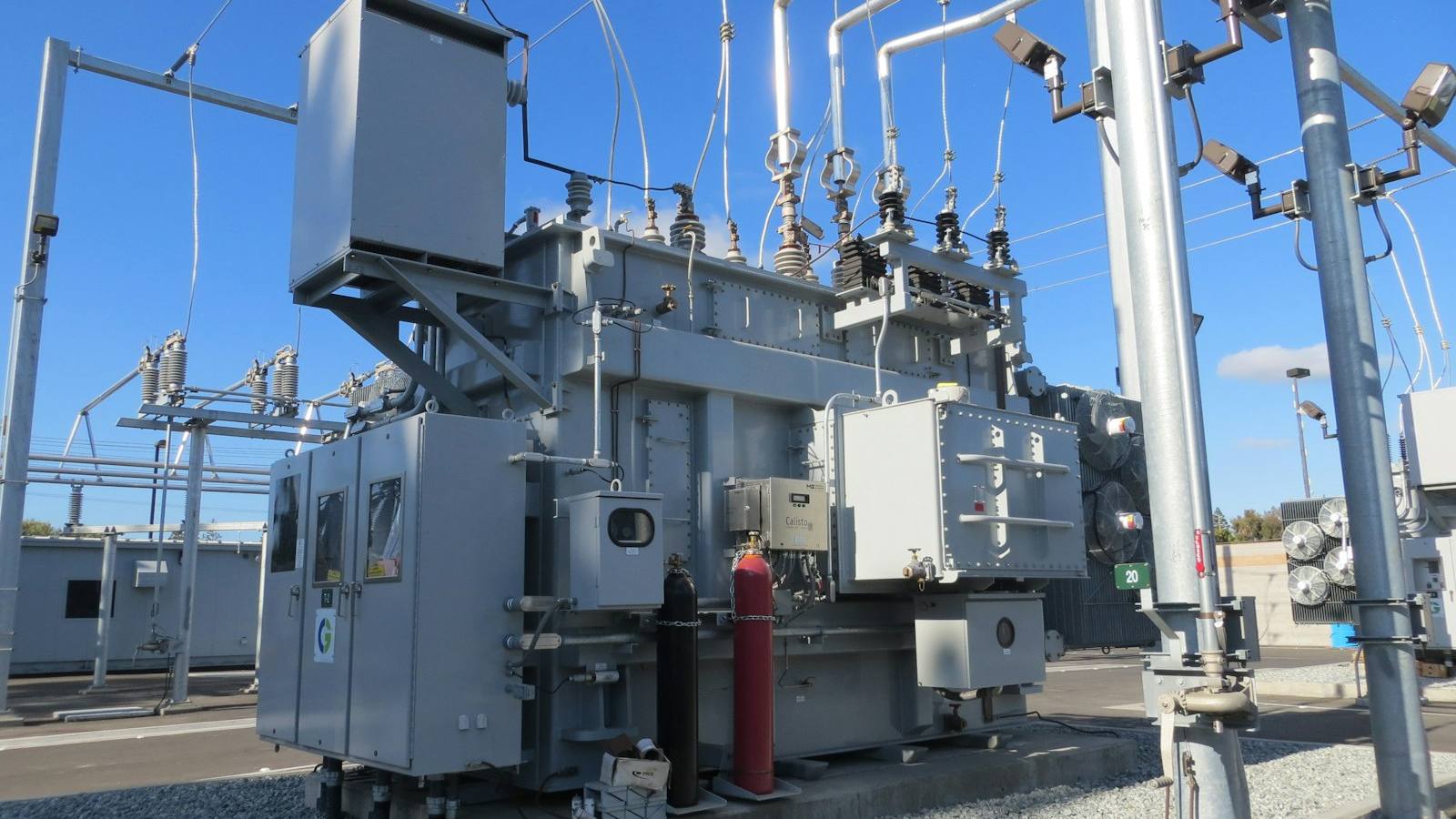
  • A power transformer at an electrical substation

    Electrical equipment manufacturer

    The answer, while the customer is still on the line

    Reps use it on calls, and faster answers have led to more quotes opened.

    The problem

    A customer asks about a price, a past quote or a product, and the answer sits across separate sales, quote and product data. The rep says "let me get back to you," and the conversation goes cold.

    The solution

    An internal AI assistant answers from all three, live, so the rep can answer on the call.

  • A wooden utility pole and power lines against a blue sky

    Electrical hardware distributor

    Public bids, found, read and ranked before the sales team starts

    The sales team gets the bids most worth chasing, ranked.

    The problem

    Municipal and utility bids are posted across scattered public sites. Each one has to be found, read and checked against the catalog and past quotes before anyone knows whether it is worth answering.

    The solution

    The distributor's bid monitor collects them, uses AI to tag each one, and checks it against the catalog and the quote history: what has been quoted before, what this quote would look like, and what it would take to win.

  • A tailored suit jacket on a mannequin in a menswear shop

    Specialty menswear retailer

    Hundreds of alterations a month, and nobody knew what they cost

    In daily use. The owner now knows his alterations spend, and shows the app to other retailers.

    The problem

    Every alteration was tracked on paper. Each tailor had their own prices, some work went out of the shop with its own due date, and the real cost of alterations was anyone's guess.

    The solution

    An app tracks each garment's alterations, each tailor's prices and the due dates for outside work.

  • City blocks seen from directly above

    Family office

    Real-estate deals in one niche vertical, and no listings site that can find them

    In progress. Early versions already check whole lists and map the target areas.

    The problem

    The firm invests in a specific real-estate vertical that no listings site filters for, and the big sites forbid pulling their data. Screening meant checking candidate properties one address at a time against public records, against a fixed deadline.

    The solution

    A tool in progress checks whole property lists at once, maps where the qualifying areas are, and searches the parcels inside them by building size, use, lot size and last sale.

The intelligence is new. The work is old-fashioned: on site, line by line, with the people who own the process.

Glacier Bay National Park, Alaska

Tell us which spreadsheet your team dreads opening.